 0
0
 0
0
Achieving radiant, glowing skin is not about quick fixes or expensive treatments. Instead, it comes from consistent daily habits that nourish your skin from within and protect it from damage. This comprehensive guide explores the long-term practices that create lasting luminosity and help you maintain beautiful skin for years to come.
Understanding What Creates Skin Glow
Skin glow refers to that healthy, luminous appearance that makes your complexion look vibrant and youthful. This radiance comes from proper skin cell turnover, adequate hydration, and good blood circulation. Additionally, minimizing inflammation and protecting against environmental damage plays a crucial role.
Your skin is the largest organ in your body. Therefore, what you do daily affects its appearance significantly. Short-term treatments might provide temporary results, but only sustained habits create permanent changes. Understanding this foundation helps you commit to practices that deliver real, lasting benefits.
Prioritizing Quality Sleep Every Night
Sleep is one of the most powerful beauty treatments available. During deep sleep, your body repairs damaged cells and produces new collagen. This process keeps your skin firm and reduces the appearance of fine lines.
Aim for seven to nine hours of quality sleep each night. Create a consistent sleep schedule by going to bed and waking up at the same time daily. Your body thrives on routine, and regular sleep patterns optimize skin repair processes.
Moreover, your sleeping position matters for skin health. Sleeping on your back prevents creases and wrinkles that form from pressing your face into a pillow. If side sleeping feels more comfortable, invest in a silk pillowcase. Silk creates less friction than cotton and helps prevent sleep lines.
Keep your bedroom cool, dark, and quiet for optimal rest. These conditions promote deeper sleep cycles. Consequently, your skin gets more time for regeneration and repair. According to Cleveland Clinic, poor sleep quality can lead to premature aging and reduced skin barrier function.
Drinking Water Throughout the Day
Hydration forms the foundation of glowing skin. Water helps flush toxins from your body and delivers nutrients to skin cells. When properly hydrated, your skin appears plumper and more radiant.
Start your morning with a full glass of water. This practice kickstarts your metabolism and begins hydration immediately. Keep a water bottle with you throughout the day as a visual reminder to drink regularly.
The amount of water you need varies based on activity level, climate, and individual factors. However, a general guideline suggests eight glasses daily. Listen to your body and drink when thirsty. Additionally, consume water-rich foods like cucumbers, watermelon, and oranges.
Limit beverages that dehydrate you, including alcohol and excessive caffeine. These drinks pull moisture from your body and skin. If you do consume them, balance with extra water intake. Furthermore, monitor your urine color. Pale yellow indicates proper hydration, while dark yellow suggests you need more water.
Eating a Nutrient-Dense Diet
Your diet directly impacts your skin’s appearance. Foods rich in antioxidants, vitamins, and healthy fats nourish skin from the inside out. Therefore, making smart food choices is essential for lasting glow.
Include plenty of colorful fruits and vegetables in your meals. These foods contain antioxidants that fight free radical damage. Berries, leafy greens, tomatoes, and bell peppers are particularly beneficial. Each color provides different nutrients that support skin health.
Omega-3 fatty acids are crucial for maintaining skin elasticity and reducing inflammation. Find these healthy fats in salmon, walnuts, flaxseeds, and chia seeds. Aim to include omega-3 sources in your diet several times weekly.
Protein is equally important for skin repair and collagen production. Lean meats, eggs, legumes, and Greek yogurt provide the building blocks your skin needs. Additionally, foods rich in vitamin C, such as citrus fruits and broccoli, boost collagen synthesis.
Reduce your intake of processed foods, refined sugars, and excessive dairy. These items can trigger inflammation and contribute to skin issues. Instead, focus on whole, minimally processed foods that provide maximum nutritional benefit.
Establishing a Consistent Skincare Routine
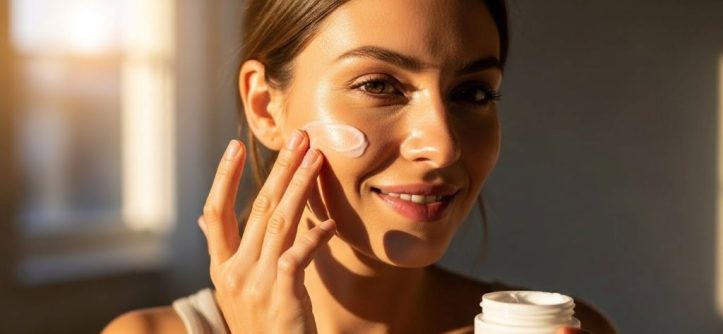
A simple, consistent skincare routine protects and nourishes your skin daily. The key is finding products that work for your skin type and using them regularly. Consistency matters more than having an elaborate routine.
Cleanse your face twice daily to remove dirt, oil, and pollutants. Morning cleansing refreshes your skin, while evening cleansing removes the day’s accumulation. Choose a gentle cleanser that does not strip your skin’s natural oils.
Apply a moisturizer immediately after cleansing while your skin is still slightly damp. This locks in hydration and keeps your skin barrier strong. Select a moisturizer appropriate for your skin type, whether dry, oily, or combination.
Never skip sunscreen during daytime. Sun protection is the single most important anti-aging step you can take. Use a broad-spectrum SPF 30 or higher every day, regardless of weather. Reapply every two hours when outdoors for extended periods.
Incorporate active ingredients gradually based on your skin concerns. Retinoids boost cell turnover, vitamin C brightens, and hyaluronic acid hydrates. However, introduce one new product at a time to monitor how your skin responds.

Moving Your Body Regularly
Exercise benefits your skin in multiple ways. Physical activity increases blood flow, which delivers oxygen and nutrients to skin cells. This enhanced circulation creates that post-workout glow many people notice.
Aim for at least 30 minutes of moderate exercise most days. This can include walking, jogging, cycling, swimming, or dancing. Find activities you enjoy to make exercise a sustainable habit. Consistency is more important than intensity for skin benefits.
Sweating during exercise helps clear pores and eliminate toxins. However, always cleanse your face promptly after workouts. Leaving sweat on your skin can lead to breakouts and irritation. Keep cleansing wipes in your gym bag for quick post-exercise cleanup.
Exercise also reduces stress, which indirectly benefits your skin. High stress levels trigger inflammation and can worsen conditions like acne and eczema. Therefore, regular physical activity serves as both a stress reliever and beauty treatment.
Managing Stress Effectively
Chronic stress wreaks havoc on your skin. It triggers the release of cortisol, a hormone that increases oil production and inflammation. Consequently, high stress often leads to breakouts, dullness, and premature aging.
Develop daily stress management practices that work for you. Meditation, deep breathing exercises, and yoga are proven stress reducers. Even five minutes of mindful breathing can lower cortisol levels significantly.
Make time for activities that bring you joy and relaxation. Reading, spending time in nature, pursuing hobbies, or connecting with loved ones all combat stress. These moments of peace contribute to your overall well-being and skin health.
Recognize when you need professional help managing stress. Therapy or counseling provides valuable tools for handling life’s challenges. According to Harvard Health Publishing, addressing psychological stress can improve various skin conditions.
Limiting Sun Exposure Strategically
While some sun exposure provides vitamin D, excessive UV radiation damages skin cells and accelerates aging. Sun damage accumulates over time, making daily protection essential for long-term skin health.
Seek shade during peak sun hours between 10 a.m. and 4 p.m. when UV rays are strongest. If you must be outdoors, wear protective clothing including wide-brimmed hats and long sleeves. Lightweight, UV-protective fabrics offer comfort and protection.
Apply sunscreen generously to all exposed skin. Most people apply too little, reducing effectiveness. Use about one ounce, roughly a shot glass full, for your entire body. Don’t forget often-missed areas like ears, neck, hands, and feet.
Reapply sunscreen every two hours and immediately after swimming or sweating. Even water-resistant formulas need reapplication. Additionally, use lip balm with SPF to protect delicate lip skin from sun damage.
Avoiding Smoking and Excessive Alcohol
Smoking is one of the worst things you can do for your skin. It restricts blood flow, deprives skin of oxygen, and breaks down collagen. Smokers develop wrinkles and dullness much earlier than non-smokers.
If you smoke, quitting is the single best decision for your skin and overall health. Seek support through smoking cessation programs, which significantly improve success rates. Your skin begins repairing itself within weeks of quitting.
Excessive alcohol consumption also damages skin. Alcohol dehydrates your body and dilates blood vessels, leading to redness and puffiness. It depletes essential nutrients and interferes with sleep quality.
Limit alcohol intake to moderate levels. This means up to one drink daily for women and two for men. Choose hydrating mixers and drink extra water when consuming alcohol. Furthermore, never use alcohol as a sleep aid, as it disrupts sleep quality.
Staying Consistent With Habits
Building lasting habits requires patience and commitment. Skin cell turnover takes approximately 28 days, meaning visible results from new habits may take several weeks. Therefore, consistency is absolutely crucial for success.
Track your habits using a journal or app. This accountability helps maintain your routine even when motivation wanes. Celebrate small wins along the way to stay encouraged.
Remember that setbacks are normal and temporary. Missing a day or making poor choices occasionally does not erase your progress. Simply return to your healthy habits the next day without guilt or self-criticism.
Make your habits as easy as possible to maintain. Keep your skincare products visible, prepare healthy snacks in advance, and schedule exercise like any important appointment. Removing barriers to success increases your likelihood of following through.
Adjusting Habits as You Age
Your skin’s needs change over time. What worked in your twenties may not be ideal in your forties. Therefore, remain flexible and willing to adjust your routine as needed.
Pay attention to how your skin responds to different products and practices. If something stops working or causes irritation, try alternatives. Additionally, consult a dermatologist for personalized recommendations based on your specific concerns.
Increase moisturizer richness as your skin naturally becomes drier with age. Consider adding targeted treatments for specific concerns like hyperpigmentation or loss of firmness. However, maintain the core habits that form your healthy foundation.
Conclusion
Creating permanent skin glow requires dedication to long-term healthy habits rather than quick fixes. Prioritize quality sleep, stay hydrated, eat nutrient-dense foods, and maintain a consistent skincare routine. Regular exercise, effective stress management, and sun protection form additional pillars of lasting skin health. Avoid smoking and excessive alcohol while remaining consistent with your practices. These habits work synergistically to create radiant, healthy skin that glows from within. By committing to these sustainable practices, you invest in your skin’s beauty and health for years to come. Remember that patience and consistency are your greatest allies in achieving the luminous complexion you desire.
Frequently Asked Questions
How long does it take to see results from healthy skin habits?
You can expect to see noticeable improvements in your skin within four to six weeks of consistently following healthy habits. However, full transformation takes three to six months as your skin completes multiple cell turnover cycles. Patience and consistency are essential for achieving lasting results.
Can diet really make a difference in skin appearance?
Yes, diet significantly impacts skin health and appearance. Nutrient-rich foods provide the vitamins, minerals, and antioxidants your skin needs to repair itself and fight damage. Conversely, processed foods and excess sugar can trigger inflammation and worsen skin conditions. Consistent healthy eating creates visible improvements over time.
Is expensive skincare necessary for glowing skin?
No, expensive skincare is not necessary for healthy, glowing skin. Basic, affordable products that cleanse, moisturize, and protect from the sun are sufficient for most people. Focus on consistency and sun protection rather than price tags. However, certain active ingredients may benefit specific skin concerns.
How much water should I drink daily for better skin?
Most experts recommend eight glasses of water daily, though individual needs vary based on activity level, climate, and body size. A better indicator is urine color, which should be pale yellow. Additionally, consuming water-rich fruits and vegetables contributes to overall hydration and skin health.
Can I reverse sun damage with good habits?
While you cannot completely reverse existing sun damage, healthy habits can prevent further damage and improve your skin’s appearance. Consistent sun protection, antioxidant-rich foods, and proper skincare help minimize the visibility of sun damage. Some treatments like retinoids can also fade hyperpigmentation and improve texture over time.
Related Topics: