

Parents often expect a few sleepless nights during infancy, yet early gum discomfort can make bedtime even more challenging. According to pediatric sleep research, many babies experience temporary sleep disruptions during developmental stages, including teething-related discomfort. In a city like San Diego, CA, where families enjoy active outdoor lifestyles and mild coastal weather, parents often look for gentle ways to support better rest. Many moms also explore home remedies for teething pain in babies while creating calming bedtime routines. Understanding practical approaches can help families manage these difficult nights with greater confidence and less stress.
Why Early Gum Discomfort Often Disrupts Sleep
Early gum discomfort usually begins before a tooth becomes visible. Babies may feel pressure beneath the gums that creates irritation throughout the day. As a result, many infants become fussier during bedtime. Sleep patterns often change because discomfort feels more noticeable when the environment becomes quiet.
Many San Diego moms notice that nighttime awakenings increase during these periods. Babies who normally sleep for longer stretches may wake more frequently. Consequently, parents often spend extra time soothing and comforting their little ones. Understanding this temporary phase helps reduce unnecessary worry.
Experts generally agree that every baby responds differently to gum discomfort. Some infants experience only mild irritation. Others become more sensitive and require additional comfort throughout the night. Therefore, parents benefit from observing individual patterns instead of comparing experiences with other families.
Creating a Comfortable Sleep Environment
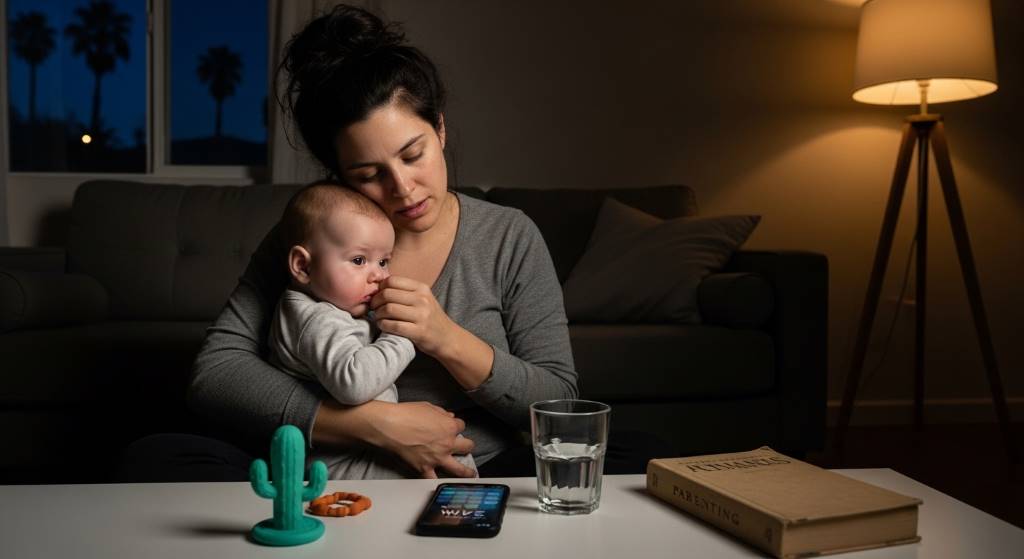
San Diego’s coastal climate offers advantages for infant sleep when temperatures remain moderate. However, indoor conditions still affect comfort levels. Many moms keep nurseries cool, well-ventilated, and free from excessive noise. This approach often supports longer and more restful sleep periods.
Soft lighting can also play an important role before bedtime. Bright lights may overstimulate babies who already feel uncomfortable. Instead, many parents use dim lamps during evening routines. Consequently, babies receive natural cues that encourage relaxation.
Consistent room temperature helps prevent additional sleep disturbances. During warmer inland San Diego evenings, some families use fans to improve airflow. Meanwhile, parents ensure that air does not blow directly onto the baby. Small adjustments often create a more soothing sleep setting.
Gentle Bedtime Routines That Many Moms Use
Predictable bedtime routines help babies feel secure. Many San Diego moms begin with a warm bath followed by quiet activities. Reading a short story or singing a lullaby often encourages relaxation. These simple habits create a familiar transition toward sleep.
Timing also matters during periods of gum discomfort. Parents frequently start bedtime slightly earlier when babies appear overtired. As a result, infants may settle more easily before discomfort intensifies. A flexible schedule often works better than a rigid one.
Some mothers include gentle gum massages as part of the evening routine. Clean fingers can provide light pressure on sensitive areas. However, parents should always follow pediatric guidance. This technique may temporarily ease discomfort before bedtime.
Safe Comfort Measures During the Night
Nighttime awakenings often require patience and consistency. Many moms respond with calm reassurance instead of introducing stimulating activities. Soft rocking, cuddling, and quiet words frequently help babies settle again. Therefore, the sleep environment remains peaceful.
Chilled teething toys are another popular option before sleep. The cool surface may provide temporary relief for irritated gums. However, parents should avoid freezing these items because excessive cold can cause discomfort. Properly chilled products often work best.
Some parents learn helpful comfort techniques from broader wellness resources. For example, principles discussed in sensitive teeth natural remedies highlight how gentle cooling methods can sometimes ease oral discomfort. Although babies require age-appropriate care, the emphasis on soothing sensitivity remains relevant.
Managing Parental Fatigue During Sleepless Nights
One challenge that receives less attention is parental exhaustion. Sleep interruptions can affect concentration, mood, and overall well-being. Therefore, many San Diego moms focus on their own recovery strategies as well. Supporting the caregiver ultimately benefits the entire family.
Some parents alternate nighttime responsibilities when possible. One caregiver may handle the first waking while another takes the second. Consequently, both adults receive longer periods of uninterrupted rest. Even small improvements in sleep can make a significant difference.
Mothers who parent independently often create support networks with relatives or trusted friends. Occasional daytime assistance provides opportunities for rest. In many San Diego communities, parent groups offer valuable encouragement. Shared experiences often reduce feelings of isolation.
The Unique Role of Coastal Outdoor Time
An often-overlooked strategy involves daytime exposure to natural outdoor environments. San Diego offers abundant parks, beaches, and walking trails that support healthy daily routines. Fresh air and daylight help regulate sleep-wake cycles. As a result, many babies settle more effectively at night.
Morning walks along coastal areas can be especially beneficial. Exposure to natural light helps reinforce circadian rhythms. Furthermore, gentle movement may support calmer moods throughout the day. These factors sometimes contribute to improved nighttime sleep.
This discussion remains uncommon in many parenting blogs. Yet local moms frequently mention how outdoor daytime routines influence nighttime behavior. While outdoor time does not eliminate gum discomfort, it may strengthen overall sleep habits. Small lifestyle adjustments often produce meaningful results.
Recognizing Signs of Increased Discomfort
Parents should pay attention to changing behaviors during early gum discomfort. Increased drooling, chewing, and irritability often appear first. Babies may also become more clingy than usual. These signs can help parents anticipate difficult evenings.
Monitoring patterns allows families to prepare proactively. For example, parents can begin calming routines earlier when symptoms increase. Consequently, bedtime may feel less stressful. Early preparation often improves the entire evening experience.
If symptoms seem unusually severe, professional guidance becomes important. Persistent fever, significant feeding difficulties, or unusual behavior should not automatically be attributed to teething. Consulting a pediatric healthcare provider helps ensure appropriate care. Safety should always remain the top priority.
Reducing Stress for the Whole Family
Family stress can increase when sleep becomes unpredictable. Therefore, many moms prioritize emotional well-being alongside infant comfort. Simple relaxation techniques often help maintain patience during difficult nights. A calm parent can provide more effective reassurance.
Several parents explore coping strategies similar to those discussed in reduce anxiety with soothing remedies. While these approaches target adults, they encourage healthier stress management habits. Better emotional balance often improves the household atmosphere. Consequently, nighttime challenges feel more manageable.
Open communication between caregivers also matters. Discussing expectations and sharing responsibilities prevents frustration from building. Moreover, teamwork helps families adapt to changing sleep patterns. Mutual support strengthens resilience during demanding periods.
Physical Self-Care for Tired Parents
Many moms spend long hours carrying, rocking, and comforting their babies. Repetitive movements can create physical strain over time. Therefore, self-care should not be overlooked. Healthy caregivers remain better equipped to provide consistent support.
Simple stretching exercises may help reduce muscle tension. Comfortable footwear also becomes important during frequent nighttime walks around the house. Additionally, parents can benefit from posture awareness when holding infants. Small habits often prevent unnecessary discomfort.
Some caregivers find useful wellness information through resources discussing sore feet causes symptoms and recovery methods. Although these materials target adult concerns, they highlight the importance of caring for the body during physically demanding parenting stages. Personal wellness remains an essential part of family care.
Practical Tips San Diego Moms Commonly Share
Local parenting communities frequently exchange ideas for handling sleepless nights. While every child differs, certain approaches appear repeatedly. These practical suggestions often complement pediatric guidance. Parents appreciate strategies that fit into daily routines.
- Keep bedtime routines predictable and calm.
- Offer age-appropriate chilled teething toys before sleep.
- Maintain a comfortable nursery temperature.
- Use white noise to minimize sudden disturbances.
- Take advantage of daytime outdoor walks.
- Rest whenever opportunities arise during the day.
Many moms emphasize consistency above all else. Frequent changes can confuse babies who already feel uncomfortable. Therefore, maintaining familiar routines often produces better results. Patience remains one of the most valuable parenting tools.
When Better Sleep Finally Returns
Fortunately, periods of early gum discomfort rarely last forever. Most babies gradually adjust as teeth emerge and irritation decreases. Parents often notice longer sleep stretches returning over time. This improvement can feel significant after several challenging weeks.
Celebrating small victories helps maintain perspective. An extra hour of sleep or an easier bedtime represents meaningful progress. Furthermore, recognizing improvements encourages confidence. Every stage of infant development brings new learning opportunities.
Many experienced moms in San Diego remind new parents that temporary sleep disruptions are common. With practical strategies and realistic expectations, families can navigate this phase successfully. Consistent support and gentle care often make the journey smoother. Better nights usually arrive sooner than exhausted parents expect.
Conclusion
Handling sleepless nights during early gum discomfort requires patience, flexibility, and practical support. San Diego moms often combine calming routines, comfortable sleep environments, outdoor daytime activities, and self-care strategies to navigate this stage successfully. Every baby responds differently, yet consistency remains a powerful tool for encouraging better rest. If your child experiences ongoing sleep difficulties or unusual symptoms, consult a pediatric healthcare professional. Start implementing these gentle strategies today and create a calmer nighttime experience for both you and your baby.
FAQs
How long does early gum discomfort usually affect sleep?
Sleep disruptions often last a few days to a few weeks depending on the baby.
Can outdoor walks help babies sleep better during teething?
Yes, natural daylight and fresh air may support healthier sleep routines.
Should I wake my baby less often during gum discomfort?
No, follow your baby’s needs and comfort them appropriately when they wake.
Is a cool teething toy safe before bedtime?
Yes, properly chilled and age-appropriate teething toys are commonly used for temporary relief.
When should I contact a pediatrician?
Seek medical advice if symptoms seem severe, unusual, or persist beyond expected patterns.



Leave a Reply