
 0
0
 0
0
Starting your day with a Mediterranean-inspired breakfast can transform your morning routine while providing powerful anti-aging benefits. This eating pattern, celebrated for its health-promoting qualities, combines fresh ingredients rich in antioxidants, healthy fats, and essential nutrients. Therefore, learning to prepare these meals can help you look and feel younger from the inside out.
Understanding the Mediterranean Diet Foundation
The Mediterranean diet emphasizes whole foods that have sustained populations around the Mediterranean Sea for centuries. This approach focuses on vegetables, fruits, whole grains, legumes, nuts, and olive oil. Additionally, it includes moderate amounts of fish, poultry, and dairy products. These foods naturally contain compounds that fight cellular aging and inflammation.
Research shows this dietary pattern supports longevity and vitality. The combination of nutrient-dense ingredients provides your body with tools to combat oxidative stress. Moreover, these breakfast options taste delicious while nourishing your skin, brain, and overall health.
Essential Anti-Aging Nutrients for Breakfast
Your morning meal should deliver specific nutrients that support cellular repair and protection. Antioxidants like vitamins C and E neutralize harmful free radicals in your body. Omega-3 fatty acids reduce inflammation and support brain function. Furthermore, polyphenols from plant foods protect your cells from damage.
Protein becomes increasingly important as we age because it maintains muscle mass and skin elasticity. Fiber supports digestive health and helps regulate blood sugar levels. Therefore, combining these nutrients in your breakfast creates a powerful anti-aging foundation for your day.
Building Your Perfect Mediterranean Breakfast Plate
Creating an ideal Mediterranean breakfast involves balancing different food groups strategically. Start with a whole grain base like oatmeal, whole wheat toast, or quinoa. Then, add a source of healthy fats such as olive oil, nuts, or avocado. Next, include fresh fruits and vegetables for their vitamin and antioxidant content.
Greek yogurt provides protein and probiotics that support gut health. Seeds like chia, flax, or hemp offer omega-3 fatty acids and additional fiber. However, you can mix and match these components based on your preferences and what’s available seasonally.
Quick Mediterranean Breakfast Ideas
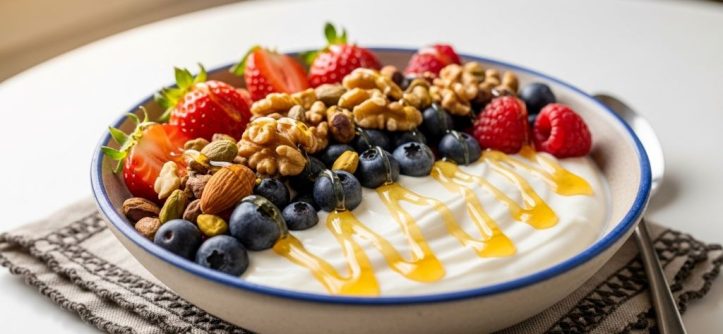
Busy mornings don’t mean sacrificing nutrition or anti-aging benefits. A simple option combines Greek yogurt with berries, walnuts, and a drizzle of honey. The berries provide anthocyanins that protect skin from damage. Meanwhile, walnuts deliver omega-3s and vitamin E for cellular health.
Another fast choice involves whole grain toast topped with mashed avocado and tomato slices. Sprinkle it with olive oil and herbs like oregano or basil. This combination offers healthy monounsaturated fats, lycopene, and flavonoids. Additionally, you can prepare overnight oats with cinnamon, almonds, and fresh figs for a grab-and-go option.
Signature Mediterranean Breakfast Recipes
Classic Greek Yogurt Bowl
Start with plain Greek yogurt as your protein-rich base. Top it with sliced figs, pomegranate seeds, and chopped pistachios. Drizzle with extra virgin olive oil and sprinkle with cinnamon. This bowl delivers probiotics, antioxidants, and healthy fats in every spoonful. Furthermore, the natural sweetness satisfies cravings without added sugars.
Vegetable Frittata with Herbs
Whisk together eggs with spinach, tomatoes, and red bell peppers. Add fresh basil and oregano for flavor and additional antioxidants. Cook in olive oil until set and golden. This protein-packed dish provides lutein for eye health and vitamin C for collagen production. Moreover, you can make it ahead and reheat portions throughout the week.
Whole Grain Mediterranean Toast
Toast a slice of whole grain or sourdough bread until crispy. Spread it with white bean puree made from cannellini beans, garlic, and lemon juice. Top with arugula, sliced cucumbers, and a poached egg. This combination offers complex carbohydrates, plant protein, and anti-inflammatory compounds. Additionally, the runny yolk adds extra nutrients and richness.
Superfoods to Incorporate
Certain Mediterranean ingredients pack exceptional anti-aging power. Extra virgin olive oil contains oleocanthal, which has anti-inflammatory properties similar to ibuprofen. Berries provide anthocyanins that support cognitive function and skin health. Therefore, including these foods regularly maximizes benefits.
Nuts like almonds and walnuts offer vitamin E, which protects cell membranes from damage. Fatty fish such as smoked salmon provides astaxanthin and omega-3s for skin elasticity. Dark leafy greens deliver folate and vitamin K for bone and cardiovascular health. However, variety ensures you receive a broad spectrum of protective compounds.

Beverage Choices That Support Anti-Aging
Your morning drink selection matters as much as your food choices. Green tea contains catechins that protect against cellular aging and support metabolism. Coffee, enjoyed in moderation, provides polyphenols and may reduce inflammation. Additionally, fresh orange juice offers vitamin C for collagen synthesis.
Herbal teas like chamomile or mint provide antioxidants without caffeine. A simple lemon water helps hydrate and supports detoxification processes. Therefore, choosing beverages wisely complements your nutrient-rich breakfast plate.
Meal Prep Strategies for Success
Planning ahead makes Mediterranean breakfasts easier to maintain consistently. Prepare ingredients on weekends by washing berries, chopping vegetables, and portioning nuts. Cook grains like quinoa or farro in batches for quick assembly. Furthermore, hard-boil eggs for convenient protein additions.
Store overnight oats in mason jars for grab-and-go convenience. Make large batches of frittatas and refrigerate individual portions. Additionally, keeping staples like Greek yogurt, whole grain bread, and olive oil stocked ensures you always have options available.
Timing and Portions for Optimal Benefits
Eating breakfast within an hour of waking jumpstarts your metabolism and provides sustained energy. Aim for portions that include all major nutrient groups without overeating. A balanced plate might contain one cup of Greek yogurt, half a cup of berries, and two tablespoons of nuts.
Listen to your hunger cues and adjust portions based on your activity level. However, consistency matters more than perfection. Therefore, establishing a regular breakfast routine helps your body anticipate and utilize nutrients effectively.
Common Mistakes to Avoid
Many people accidentally undermine their healthy intentions with certain choices. Avoid sweetened yogurts that contain excessive added sugars. These spike blood sugar and promote inflammation rather than preventing it. Additionally, processed cereals marketed as healthy often lack real nutritional value.
Skipping healthy fats represents another common error. Your body needs these fats to absorb fat-soluble vitamins like A, D, E, and K. Furthermore, don’t rely solely on fruit for breakfast, as protein and fat provide necessary satiety and blood sugar stability.
Adapting Recipes to Your Preferences
The Mediterranean approach offers flexibility for different dietary needs and tastes. If you’re lactose intolerant, substitute Greek yogurt with coconut yogurt or almond milk yogurt. Vegans can replace eggs with tofu scrambles or chickpea flour omelets. Moreover, gluten-free individuals can choose quinoa, rice, or certified gluten-free oats.
Customize seasonings and herbs based on what you enjoy most. Experiment with different nut and seed combinations to find your favorites. Therefore, making these recipes your own increases the likelihood you’ll stick with them long-term.
Scientific Support for Mediterranean Breakfasts
Research consistently demonstrates the benefits of Mediterranean eating patterns. Studies published by organizations like the Harvard T.H. Chan School of Public Health show this diet reduces inflammation and oxidative stress. These factors directly influence how quickly our bodies age at the cellular level.
The combination of polyphenols, omega-3 fatty acids, and antioxidants works synergistically to protect DNA from damage. Furthermore, this eating pattern supports telomere length, which serves as a biological marker of aging. Therefore, your breakfast choices truly impact your long-term health trajectory.
Conclusion
Creating Mediterranean diet breakfasts with anti-aging nutrients doesn’t require complicated recipes or exotic ingredients. By focusing on whole grains, healthy fats, colorful produce, and quality protein sources, you build meals that nourish your body deeply. These breakfast choices provide antioxidants, omega-3s, vitamins, and minerals that combat cellular aging while tasting delicious.
Start small by incorporating one or two Mediterranean elements into your current breakfast routine. Gradually expand your repertoire as you discover new favorite combinations. Remember that consistency delivers the greatest benefits, so find options you genuinely enjoy eating. Therefore, making these simple changes today can help you maintain vitality and health for years to come.
Frequently Asked Questions
What makes a breakfast Mediterranean style?
A Mediterranean breakfast includes whole grains, healthy fats like olive oil or nuts, fresh fruits and vegetables, and moderate amounts of dairy or eggs. It emphasizes minimally processed foods and plant-based ingredients while avoiding refined sugars and processed meats.
Can Mediterranean breakfasts help with weight management?
Yes, these breakfasts promote satiety through protein, healthy fats, and fiber, which helps control appetite throughout the day. The nutrient-dense foods provide energy without excess calories, supporting healthy weight maintenance when combined with an overall balanced diet.
What are the best anti-aging foods for breakfast?
Berries, nuts, olive oil, Greek yogurt, leafy greens, and fatty fish rank among the top anti-aging breakfast foods. These ingredients contain antioxidants, omega-3 fatty acids, and vitamins that protect cells from damage and support healthy aging.
How quickly will I see anti-aging benefits?
Some benefits like improved energy and digestion may appear within days or weeks. However, cellular-level anti-aging effects develop over months and years of consistent healthy eating. Skin improvements typically become noticeable after several weeks of nutrient-rich meals.
Are Mediterranean breakfasts suitable for diabetics?
Mediterranean breakfasts can be excellent for blood sugar management because they emphasize whole grains, protein, and healthy fats that prevent glucose spikes. However, individuals with diabetes should consult their healthcare provider and monitor portions of carbohydrate-containing foods carefully.
Related Topics:


