

Healthy eating sounds simple, yet many people struggle to stay consistent during hectic schedules. Research shows that nearly 60% of adults report difficulty maintaining healthy food habits during stressful periods. Additionally, busy lifestyles often lead to more convenience food purchases and skipped meals. In Phoenix, unique climate conditions add another layer of difficulty. Many residents also search for the nutritional value of chicken broth when seeking quick and healthy meal solutions. Understanding these challenges helps people build realistic eating habits that last.
Why Busy Weeks Disrupt Healthy Eating Habits
Most healthy eating plans fail because they depend on ideal circumstances. However, life rarely follows a perfect schedule. Work deadlines, family responsibilities, and unexpected errands quickly consume available time. As a result, meal preparation often becomes a lower priority. People then choose convenience over nutrition.
Phoenix residents face additional challenges due to long commutes and demanding work schedules. Furthermore, extreme heat can reduce motivation to cook after work. Many individuals prefer takeout instead of preparing balanced meals. Consequently, healthy intentions often disappear before the week ends. The problem usually involves planning rather than willpower.
Another overlooked factor involves decision fatigue. People make hundreds of choices daily. Therefore, choosing healthy meals becomes harder during stressful periods. When mental energy declines, convenience foods often win. Consistent eating habits require systems that reduce daily decisions.
The Hidden Impact of Phoenix Heat on Food Choices
Phoenix temperatures frequently exceed 100 degrees during warmer months. Consequently, people spend more time indoors and avoid lengthy cooking sessions. Standing near a hot stove feels uncomfortable after a day in extreme temperatures. Therefore, many households choose quick alternatives that lack nutritional balance.
Hydration issues also affect food decisions. Many residents confuse thirst with hunger throughout the day. As a result, they consume unnecessary snacks instead of drinking water. Learning about foods to consume when energy feels low can support healthier choices. Proper hydration often improves appetite control and food selection.
Heat exposure can also influence grocery shopping habits. People often rush through stores to avoid outdoor temperatures. Consequently, they purchase fewer fresh ingredients and more packaged foods. Small environmental factors like these quietly affect long term eating success.
Meal Prep Expectations Often Become Unrealistic
Many healthy eating plans promote extensive meal preparation sessions. However, these plans often ignore real life schedules. Spending several hours cooking every weekend feels difficult for many families. Therefore, meal prep systems frequently collapse after a few weeks.
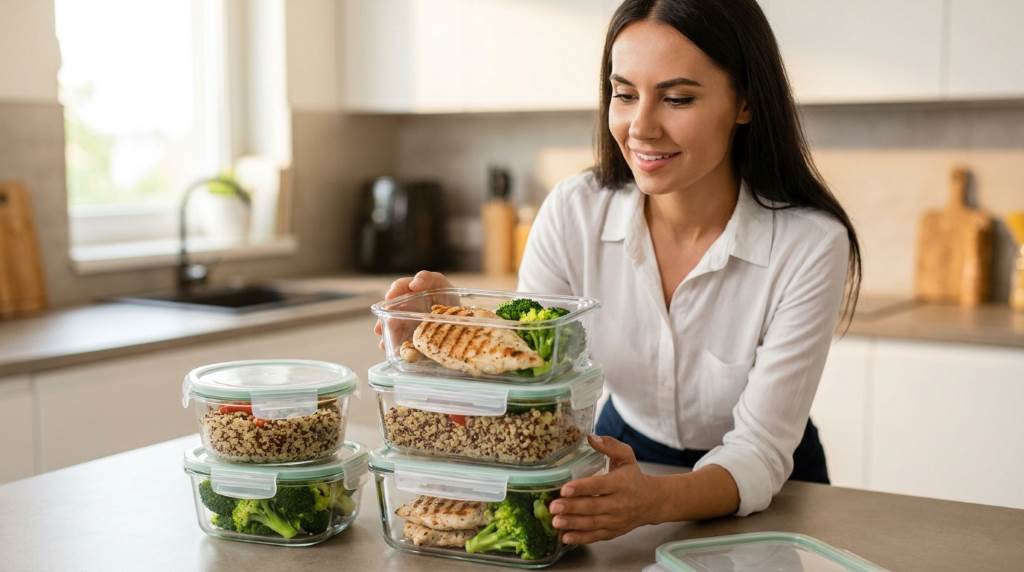
Successful planning focuses on flexibility rather than perfection. For example, preparing ingredients instead of complete meals saves time. Chopped vegetables, cooked proteins, and simple grains create multiple meal options. Consequently, people maintain healthy habits with less effort.
Another common mistake involves preparing identical meals for several days. Although this strategy seems efficient, food boredom develops quickly. As a result, people begin craving restaurant meals or processed snacks. Variety plays a major role in long term adherence.
The Grocery Shopping Trap During Busy Schedules
Many people begin the week with good intentions. However, grocery shopping often happens without a detailed plan. Consequently, carts fill with items that never become actual meals. Food waste increases while healthy goals decline.
A better approach involves creating meal focused shopping lists. Instead of buying ingredients randomly, shoppers should connect every purchase to specific meals. This strategy reduces confusion during busy evenings. Therefore, healthy options remain easier to prepare.
Many Phoenix residents also underestimate the effect of store timing. Shopping after work often leads to impulse purchases. Hunger and fatigue influence decisions significantly. Consequently, morning or weekend shopping usually produces better nutritional choices.
Why Restaurant Convenience Becomes a Habit
Restaurant meals offer convenience, speed, and predictable flavors. Therefore, they become attractive during stressful weeks. Unfortunately, many restaurant options contain excessive calories, sodium, and added sugars. Frequent dining out can quietly undermine health goals.
Convenience becomes especially tempting after long workdays. Additionally, delivery applications make ordering effortless. The fewer obstacles involved, the more likely people choose takeout. Healthy eating plans must account for this reality.
Instead of eliminating restaurant meals completely, people should create boundaries. For example, limiting restaurant visits to specific days improves consistency. Likewise, selecting healthier menu options supports nutritional goals without requiring perfection.
The Role of Energy Crashes and Poor Food Timing
Many people focus only on what they eat. However, meal timing matters as well. Long gaps between meals often trigger intense hunger later. Consequently, individuals consume larger portions and make poorer food choices.
Busy professionals frequently skip breakfast or lunch. Although this seems harmless initially, energy levels often decline during the afternoon. Therefore, cravings for sugary foods increase dramatically. Balanced eating patterns help stabilize energy throughout the day.
Exploring balanced menus to lose excess weight can provide practical meal timing examples. Consistent eating schedules often improve dietary success more than restrictive approaches. Small adjustments produce meaningful results over time.
A Rarely Discussed Reason Healthy Plans Fail
One uncommon yet important factor involves food storage confidence. Many people hesitate to use prepared ingredients after several days. Consequently, they discard food and order takeout instead. This pattern repeats every week.
Food safety uncertainty creates hidden barriers to healthy eating. People often question whether leftovers remain fresh enough to consume. Therefore, they choose restaurant meals to avoid perceived risks. Few health articles discuss this practical challenge.
Learning proper storage techniques increases confidence significantly. Clear labeling and organized refrigeration help families use prepared foods effectively. As a result, healthy meals remain available even during demanding schedules.
Social Commitments Create Unexpected Challenges
Busy weeks often include social events, meetings, and family gatherings. These activities introduce unplanned eating situations. Consequently, healthy plans become harder to follow consistently. Social pressure frequently influences food decisions.
Many people hesitate to decline unhealthy foods during group events. Furthermore, celebrations often revolve around high calorie options. Therefore, maintaining balance requires intentional planning. Awareness improves decision making during these situations.
Healthy eating does not require avoiding social interactions. Instead, individuals should focus on moderation and portion awareness. This approach supports both nutritional goals and social enjoyment. Consistency matters more than perfection.
The Egg Debate and Quick Nutrition Solutions
Quick meal solutions often determine success during busy periods. Therefore, simple nutrient dense foods become valuable tools. Eggs remain one of the most convenient options available. They provide protein while requiring minimal preparation.
Many people wonder which eggs are better for dietary goals. Understanding nutritional differences helps shoppers make informed choices. Simple foods often support consistency better than complicated meal plans.
Fast healthy meals reduce dependence on convenience foods. Therefore, keeping practical ingredients available improves long term success. Preparation simplicity often matters more than recipe complexity.
Practical Strategies That Work During Busy Weeks
Create a Three Meal Backup System
Every household should maintain three extremely simple meal options. These meals should require minimal preparation and ingredients. Consequently, healthy choices remain available during stressful days. Backup systems prevent reliance on fast food.
Use Batch Cooking Selectively
Instead of preparing every meal in advance, cook foundational ingredients. Proteins, grains, and vegetables create flexible combinations. Therefore, meal variety remains possible throughout the week. This method feels less restrictive.
Schedule Grocery Shopping Like an Appointment
Important tasks receive dedicated calendar time. Grocery shopping deserves the same treatment. Consequently, food planning becomes more consistent. Reliable shopping habits support healthier eating outcomes.
Keep Hydration Visible
Visible water bottles encourage regular hydration. Therefore, people consume more water throughout the day. Better hydration often reduces unnecessary snacking. Small habits create meaningful improvements.
Signs Your Healthy Eating Plan Needs Adjustment
- You frequently skip planned meals.
- You rely on takeout multiple times weekly.
- You throw away prepared food regularly.
- You feel hungry soon after meals.
- You experience repeated afternoon energy crashes.
- You avoid grocery shopping due to time pressure.
Recognizing these warning signs allows early intervention. Therefore, people can modify plans before abandoning them completely. Sustainable systems adapt to changing schedules. Flexibility supports long term success.
Building a Sustainable Approach for Phoenix Living
Healthy eating success depends on realistic expectations. Phoenix residents face unique challenges involving heat, schedules, and convenience culture. Therefore, effective plans must address local lifestyle factors. Generic advice often overlooks these realities.
Small consistent actions outperform ambitious short term efforts. Furthermore, practical routines survive stressful weeks more effectively. Building habits around convenience and flexibility increases adherence. Success comes from repetition rather than perfection.
The best eating plan fits daily life instead of disrupting it. Consequently, individuals maintain healthier habits despite demanding schedules. Sustainable choices produce better results than strict temporary programs.
Conclusion
Healthy eating plans fail during busy weeks because they often ignore real life demands. In Phoenix, extreme heat, packed schedules, and convenience culture create additional obstacles. However, realistic planning, flexible meal systems, and consistent hydration improve success significantly. Focus on simple habits that fit your lifestyle rather than pursuing perfection. Start with one practical change this week and build momentum toward lasting nutritional success.
FAQs
Why do healthy eating plans fail during stressful weeks?
Stress increases convenience food choices and reduces time available for meal preparation.
Does Phoenix heat affect healthy eating habits?
Yes, high temperatures often reduce cooking motivation and influence food purchasing decisions.
What is the easiest healthy eating strategy for busy people?
Keeping simple backup meals available helps maintain consistency during hectic schedules.
How important is hydration for healthy eating?
Proper hydration improves appetite control and reduces unnecessary snacking.
Should I avoid restaurant meals completely?
No, moderate restaurant dining can fit within a balanced and sustainable eating plan.





Leave a Reply