
Most people don’t realize how much hidden inflammation affects their daily energy, digestion, skin, sleep, and long-term disease risk. It builds quietly through processed foods, stress, poor sleep, and nutrient gaps. Then one day, symptoms appear.
Joint stiffness. Brain fog. Belly fat that won’t move. Frequent colds. Poor recovery. These signals often share one root cause: chronic low-grade inflammation.
The problem isn’t lack of discipline. It’s lack of clarity. Nutrition advice online is complicated, expensive, and unrealistic for everyday shopping.
This guide fixes that.
Below is a practical anti-inflammatory shopping list built for real kitchens, real budgets, and real routines. No trendy powders. No complicated meal plans. Just foods you can buy this week and start using immediately.
What Are Anti-Inflammatory Foods and Why Do They Matter?
Snippet Answer: Anti-inflammatory foods reduce chronic immune activation by supplying antioxidants, fiber, omega-3 fats, and phytonutrients. These nutrients help regulate blood sugar, support gut bacteria, lower oxidative stress, and protect cells from damage linked to heart disease, diabetes, arthritis, and fatigue.
Answer Block: Anti-inflammatory foods support the body’s natural repair systems by lowering oxidative stress and stabilizing immune responses. They provide essential nutrients like omega-3 fatty acids, polyphenols, vitamins, and minerals that reduce cellular damage and improve metabolic balance.
Inflammation is not always harmful. It protects the body during injury and infection. The problem begins when inflammation stays active for months or years.
Modern diets increase inflammatory load through refined sugar, vegetable oils high in omega-6 fats, processed grains, and artificial additives. These foods overstimulate immune pathways.
Anti-inflammatory foods do the opposite. They restore balance.
They work by:
- Supporting healthy gut bacteria diversity
- Reducing insulin spikes after meals
- Protecting mitochondria from oxidative stress
- Lowering inflammatory cytokine activity
This improves energy stability, mental clarity, immune resilience, and metabolic flexibility.
Which Vegetables Should Be on an Anti-Inflammatory Shopping List?
Answer Block: Leafy greens, cruciferous vegetables, carrots, tomatoes, and bell peppers contain antioxidants and fiber that lower inflammatory signaling. These vegetables support detox pathways, gut health, and immune regulation while providing vitamins A, C, K, and folate.
Vegetables form the foundation of an anti-inflammatory diet because they supply phytochemicals that neutralize free radicals.
Leafy greens like spinach and kale contain lutein and beta-carotene. These compounds protect tissues from oxidative stress.
Cruciferous vegetables support liver detoxification through sulfur compounds such as sulforaphane. This helps remove inflammatory toxins from the bloodstream.
Tomatoes provide lycopene. Bell peppers supply vitamin C. Carrots deliver beta-carotene.
Together, these nutrients strengthen immune signaling and improve vascular health.
Best vegetables to buy weekly:
- Spinach
- Broccoli
- Cabbage
- Carrots
- Tomatoes
- Bell peppers
- Cauliflower
Frozen vegetables work just as well as fresh options and often cost less.
Which Fruits Help Reduce Inflammation Naturally?
Answer Block: Berries, oranges, apples, grapes, and pomegranates contain polyphenols that lower oxidative stress and protect immune cells. Their fiber content also supports gut microbiome balance, which plays a major role in controlling chronic inflammation.
Fruits are sometimes misunderstood because of natural sugar content. However, whole fruits contain fiber that slows glucose absorption.
This prevents insulin spikes that increase inflammatory signaling.
Berries are especially powerful. They contain anthocyanins that improve vascular elasticity and reduce cellular damage.
Citrus fruits provide vitamin C, which strengthens immune response and collagen repair.
Apples contain quercetin. Grapes contain resveratrol.
These compounds support long-term heart and brain health.
Practical fruit choices:
- Blueberries
- Strawberries
- Apples
- Oranges
- Pomegranates
- Bananas (for gut-friendly resistant starch)
Choose seasonal fruit whenever possible for higher nutrient density.
Which Healthy Fats Fight Inflammation Most Effectively?
Answer Block: Omega-3 rich foods like fatty fish, walnuts, flaxseeds, and olive oil reduce inflammatory markers by balancing omega-6 intake. These fats improve brain function, cardiovascular health, and hormone regulation.
Not all fats increase inflammation. The type of fat matters more than the total amount consumed.
Omega-3 fatty acids help regulate immune signaling molecules called prostaglandins.
These molecules control inflammation intensity inside tissues.
Modern diets contain too many omega-6 fats from refined vegetable oils. This imbalance increases chronic inflammation risk.
Adding omega-3 foods restores balance.
Top anti-inflammatory fat sources:
- Salmon
- Sardines
- Flaxseeds
- Walnuts
- Chia seeds
- Extra virgin olive oil
Even two servings of fatty fish weekly can significantly reduce inflammatory biomarkers.
Which Whole Grains and Legumes Support an Anti-Inflammatory Diet?
Answer Block: Oats, brown rice, lentils, chickpeas, and beans reduce inflammation by improving gut bacteria diversity and stabilizing blood sugar levels. Their fiber content supports digestive health and reduces insulin-related inflammatory responses.
Refined carbohydrates increase inflammation because they digest quickly and spike blood glucose.
Whole grains digest slowly. This improves metabolic stability.
Legumes also contain resistant starch. This feeds beneficial gut microbes that produce short-chain fatty acids.
These fatty acids reduce intestinal inflammation and strengthen immune tolerance.
Budget-friendly staples include:
- Oats
- Brown rice
- Lentils
- Kidney beans
- Chickpeas
These foods are affordable, widely available, and easy to cook in batches.
Which Herbs and Spices Reduce Inflammation Quickly?
Answer Block: Turmeric, ginger, garlic, cinnamon, and black pepper contain bioactive compounds that reduce inflammatory enzymes. These spices enhance immune defense, improve digestion, and increase antioxidant protection when used regularly in meals.
Spices are concentrated sources of anti-inflammatory compounds.
Turmeric contains curcumin. This compound reduces inflammatory pathways linked to arthritis and metabolic syndrome.
Ginger improves circulation and reduces muscle soreness.
Garlic supports immune signaling and cardiovascular protection.
Cinnamon improves insulin sensitivity.
Simple daily uses:
- Add turmeric to rice or vegetables
- Add ginger to tea
- Cook lentils with garlic
- Sprinkle cinnamon on oats
Small amounts used consistently create measurable benefits.
What Should Beginners Avoid When Building an Anti-Inflammatory Grocery List?
Answer Block: Processed snacks, refined sugar, deep-fried foods, processed meats, and sugary drinks increase inflammatory markers by disrupting gut bacteria and blood sugar stability. Reducing these foods improves energy levels and lowers chronic disease risk.
Many inflammatory foods are convenient and widely marketed as normal daily choices.
However, frequent consumption increases oxidative stress.
| Food Category | Why It Increases Inflammation | Better Alternative |
|---|---|---|
| Soft drinks | High sugar spikes insulin | Lemon water |
| White bread | Refined carbohydrates | Whole grain bread |
| Processed meat | Preservatives increase oxidative stress | Fresh fish or legumes |
| Fried snacks | Oxidized vegetable oils | Roasted nuts |
Replacing just two processed foods daily can reduce inflammatory load significantly.
What Does a Simple Weekly Anti-Inflammatory Shopping List Look Like?
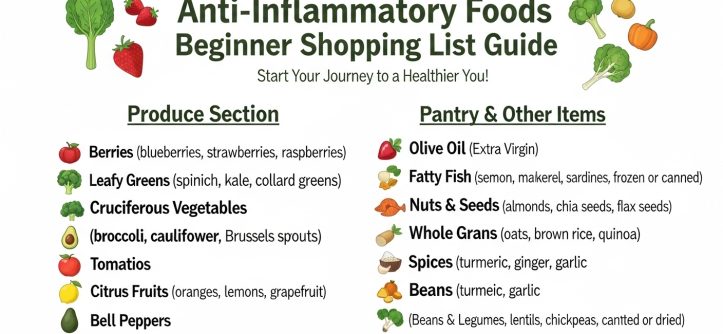
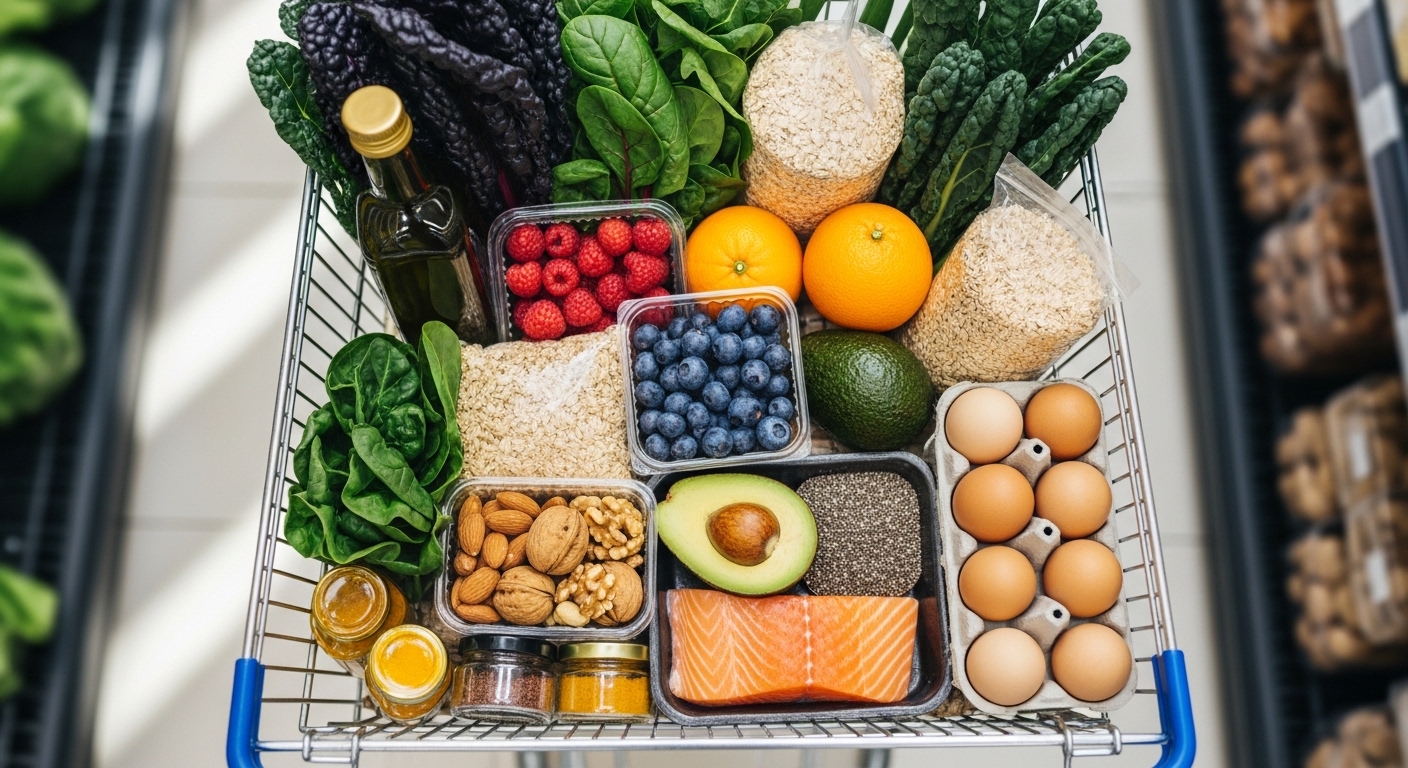
Answer Block: A beginner anti-inflammatory shopping list includes leafy vegetables, berries, whole grains, fatty fish, legumes, olive oil, nuts, seeds, and spices. These foods provide essential antioxidants, fiber, and healthy fats needed to regulate immune balance.
Here is a realistic weekly grocery template:
- Spinach or cabbage
- Carrots
- Tomatoes
- Apples
- Bananas
- Lentils
- Brown rice
- Eggs
- Sardines
- Olive oil
- Garlic
- Turmeric
This list supports balanced meals without expensive specialty items.
Consistency matters more than perfection.
Conclusion: How Can You Start Eating Anti-Inflammatory Foods This Week?
Chronic inflammation builds slowly, but nutrition can change its direction quickly.
You don’t need a complicated diet plan. You only need consistent access to vegetables, fruits, whole grains, healthy fats, legumes, and spices.
Start with five replacements this week:
- Replace soda with water
- Replace white rice occasionally with brown rice
- Add one leafy vegetable daily
- Use olive oil instead of refined oil
- Add turmeric or garlic to meals
These small adjustments reduce inflammatory load and improve metabolic health over time.
Use the shopping list above during your next grocery trip and build meals around these ingredients. Sustainable nutrition always starts with practical choices.
FAQ: Anti-Inflammatory Foods Beginner Questions
What is the fastest anti-inflammatory food to add daily?
Leafy greens like spinach are the fastest addition because they provide antioxidants, fiber, and vitamins that support immune balance immediately.
Are bananas inflammatory?
No. Bananas contain resistant starch and potassium that support digestion and reduce inflammation when eaten as part of a balanced diet.
Is rice inflammatory?
White rice can increase inflammation if eaten excessively, but brown rice supports gut health and improves blood sugar control.
How quickly do anti-inflammatory foods work?
Some benefits appear within days through improved digestion and energy, while deeper metabolic improvements develop over several weeks.
Is coffee anti-inflammatory?
Moderate coffee intake provides polyphenols that may reduce inflammation when consumed without excess sugar.
Are eggs inflammatory?
Eggs are generally neutral or beneficial for most people and provide protein and nutrients that support immune health.
Can anti-inflammatory foods help joint pain?
Yes. Omega-3 fats, turmeric, and vegetables help reduce inflammatory markers associated with joint discomfort.
Read More Also: How to Protect Your Spine with the Right Office Chair
Learn More: How to Manage Work Stress Without Burnout (Actionable Tips)



Leave a Reply