
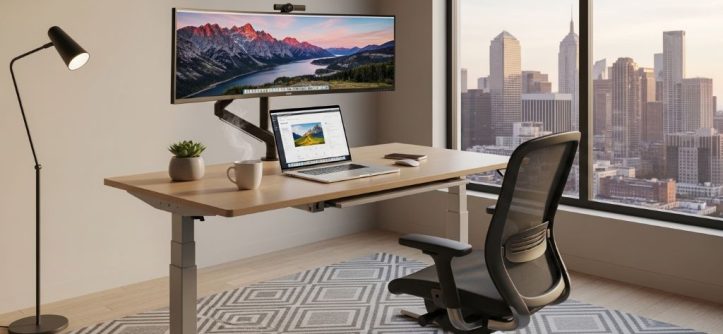
Creating a comfortable workspace at home doesn’t require spending thousands of dollars. Many people believe that ergonomic furniture means expensive designer pieces, but that’s simply not true. With smart shopping and clear priorities, you can build a healthy workspace that supports your body without emptying your wallet.
Working from home has become the norm for millions of people. Unfortunately, many are using makeshift setups that cause neck pain, back strain, and wrist discomfort. These problems develop gradually, often going unnoticed until they become chronic issues that affect productivity and quality of life.
This guide will help you select a posture friendly desk that fits your budget and needs. You’ll learn what features truly matter, where you can save money, and which compromises are worth making. By the end, you’ll have a clear plan for creating a workspace that keeps you comfortable and productive.
Understanding What Makes a Desk Ergonomic
Before shopping, it’s important to understand what separates a truly supportive desk from one that just looks good. Ergonomics focuses on designing workspaces that fit the human body rather than forcing your body to adapt to furniture.
The right desk height allows your arms to rest at a 90-degree angle when typing. Your shoulders should stay relaxed, not hunched up or stretched down. This position reduces strain on your neck, shoulders, and wrists throughout the workday.
Surface area matters more than most people realize. You need enough space for your monitor, keyboard, mouse, and any documents or supplies you use regularly. Cramped surfaces force you into awkward positions as you reach around obstacles or work at uncomfortable angles.
Additionally, depth is crucial for proper monitor placement. Your screen should sit at arm’s length away, with the top of the display at or slightly below eye level. Shallow desks force monitors too close, causing eye strain and neck tension as you lean back to compensate.
Cable management isn’t just about aesthetics. Tangled cords create clutter that limits your movement and forces you into constrained positions. Simple cable solutions keep your workspace organized and maintain the freedom to adjust your setup as needed.
Setting Your Budget Realistically
Determining how much to spend requires balancing immediate costs against long-term value. A desk that causes pain will cost you more in medical bills and lost productivity than the savings you gained by buying cheap furniture.
Consider your daily usage when setting a budget. Someone working eight hours daily needs a more substantial investment than someone using their desk occasionally. Think about cost per use rather than just the sticker price.
Research shows that budget-friendly options exist at every price point. Desks under 200 dollars can provide excellent ergonomic support if you know what to look for. Mid-range options between 200 and 500 dollars offer more features and durability. Premium desks above 500 dollars deliver advanced features like electric height adjustment.
However, expensive doesn’t always mean better for your needs. A simple, well-designed desk often outperforms a feature-packed model that doesn’t fit your space or workflow. Focus on functionality over flashy features that sound good but rarely get used.
Set aside part of your budget for accessories. A great desk paired with a poor chair or inadequate monitor stand defeats the purpose. Plan to invest in your complete workspace rather than spending everything on a single piece.
Essential Features to Prioritize
When working with a limited budget, knowing which features provide the most value helps you make smart choices. Some elements dramatically improve comfort, while others offer minimal benefit despite their cost.
Adjustability tops the list of must-have features. Even fixed-height desks should offer some customization through accessories like keyboard trays or monitor risers. The ability to fine-tune your setup ensures proper positioning for your unique body dimensions.
Stability prevents wobbling that causes tension as you unconsciously brace against movement. Test desks by pressing down on the surface and typing vigorously. Quality desks remain steady, while flimsy options shake with normal use.
Surface finish affects both comfort and durability. Smooth surfaces allow your arms to move freely without catching on rough spots. Easy-to-clean materials maintain their appearance and hygiene over years of use.
Weight capacity indicates overall build quality. Desks rated for higher weights typically use better materials and construction methods. Check specifications to ensure your desk can handle your equipment plus some margin for future additions.
Therefore, edge design deserves attention. Rounded edges prevent pressure points on your wrists and forearms. Sharp edges create discomfort during long work sessions, even if you don’t notice it immediately.
Exploring Different Desk Types
Several desk styles offer ergonomic benefits at various price points. Understanding the options helps you identify which type best serves your needs and budget.
Traditional fixed-height desks remain the most affordable option. When sized correctly for your height, they provide excellent support. The key is ensuring the height works for you, as there’s no adjustment possible after purchase.
Adjustable standing desks allow you to alternate between sitting and standing throughout the day. Manual crank models cost significantly less than electric versions while delivering the same health benefits. They require a bit of effort to adjust but work perfectly for people who change positions once or twice daily.
Desk risers transform existing surfaces into standing workstations. These platforms sit on top of your current desk and raise your workspace to standing height. They’re the most budget-friendly way to add standing capability to your routine.
Corner desks maximize space efficiency in small rooms. The L-shape provides ample surface area without dominating the room. Many affordable models offer surprising ergonomic benefits through intelligent design.
Wall-mounted desks work wonderfully in tight spaces. They fold up when not in use and can be positioned at the perfect height for your body. Installation requires some DIY skills but results in a custom-fitted workspace.
Materials and Construction Quality
The materials used in desk construction affect both price and performance. Understanding these differences helps you identify good value when comparing options.
Solid wood desks offer durability and timeless aesthetics. However, they typically exceed budget constraints unless you find used pieces. The weight and stability of wood provide excellent ergonomic support when properly sized.
Engineered wood products like particleboard and MDF cost less while still providing adequate performance. Higher-density materials last longer and support more weight. Check the thickness of desktop surfaces, as thicker boards indicate better quality.
Metal frames deliver exceptional stability and durability. Steel or aluminum legs paired with any desktop material create a solid foundation. Look for powder-coated finishes that resist scratches and wear.
Additionally, bamboo has emerged as an affordable and sustainable option. It offers strength comparable to hardwood at a fraction of the cost. The natural appearance adds warmth to home offices without the premium price tag.
Laminate surfaces provide easy maintenance and come in countless colors and patterns. Quality laminates resist scratches, stains, and moisture better than bare wood. They’re ideal for busy workspaces where spills happen.
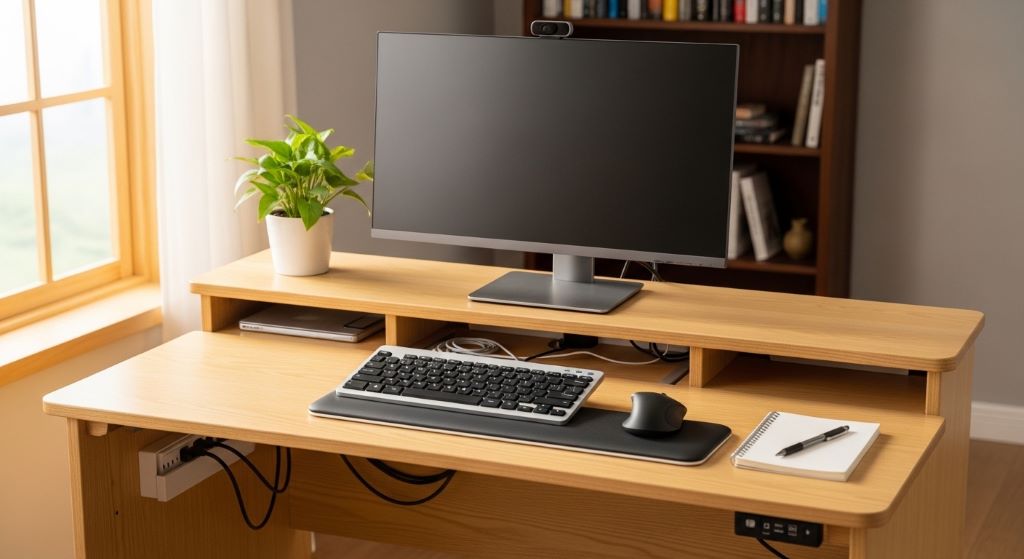
Measuring Your Space Properly
Buying ergonomic furniture without measuring guarantees disappointment. Proper measurements ensure your desk fits both your room and your body.
Start by measuring your available floor space. Account for chair movement, door clearance, and walking paths. Your desk shouldn’t create bottlenecks or force you to squeeze past furniture constantly.
Measure your ceiling height if considering shelving or tall storage units. Overhead clearance prevents bumped heads and allows proper lighting placement. Consider how natural light enters the room and position your desk to minimize screen glare.
Determine your ideal desk height based on your seated elbow height. Sit in your chair with your feet flat and arms at your sides. Bend your elbows 90 degrees. This height is where your keyboard should sit, which dictates your desktop height.
Consider your monitor’s base height when planning desk depth. You might need a shallower desk if using a monitor arm or a deeper surface if the monitor sits directly on the desktop. Proper depth ensures correct viewing distance without awkward neck angles.
Therefore, map out your equipment placement before buying. Sketch where your monitor, keyboard, mouse, phone, and supplies will sit. This planning prevents surprises when you discover everything doesn’t fit as imagined.
Shopping Strategies for Maximum Value
Smart shopping tactics help you find quality posture friendly desk options without overspending. Knowing where and when to shop makes a significant difference in available options.
Online retailers often offer better prices than brick-and-mortar stores due to lower overhead costs. However, you sacrifice the ability to test furniture before buying. Read detailed reviews focusing on assembly difficulty, stability, and real-world comfort rather than just appearance.
Secondhand markets provide incredible value for patient shoppers. Office furniture from businesses downsizing or relocating often sells for pennies on the dollar. These pieces typically feature commercial-grade construction that exceeds residential furniture quality.
End-of-season sales and holiday promotions offer substantial discounts on new furniture. Retailers clear inventory in January and July, making these ideal times to shop. Sign up for email lists to receive notification of special promotions.
Comparison shop across multiple retailers before committing. The same desk model often varies in price by 20 percent or more between stores. Check manufacturer websites, large retailers, and specialty office furniture stores.
Additionally, consider assembly requirements when comparing prices. Some bargain desks require extensive assembly that adds hours to your setup time. Factor in whether you have the tools, skills, and patience for complex builds.
DIY and Customization Options
Creating your own desk or modifying affordable options opens possibilities that ready-made furniture can’t match. Simple projects deliver professional results without requiring expert carpentry skills.
Butcher block countertops make excellent desktop surfaces. Home improvement stores sell them in various sizes, and you can cut them to fit your exact needs. Pair a countertop with adjustable legs or filing cabinets for an instant custom desk.
Pipe fittings and reclaimed wood create industrial-style desks with character. The materials cost less than finished furniture, and the modular nature allows future modifications. This approach works well for people who enjoy hands-on projects.
Adding a keyboard tray to an existing desk instantly improves ergonomics. This modification lowers your typing surface to the proper height while maintaining desktop space for monitors and other equipment. Installation takes less than an hour with basic tools.
Monitor arms free up desk space while allowing perfect screen positioning. They attach to the desktop edge and support displays at any height and angle. This single addition often transforms an average desk into an excellent ergonomic workstation.
Therefore, desk pads and wrist rests enhance any surface’s comfort level. These affordable accessories provide cushioning and support that reduce fatigue during long work sessions.
Avoiding Common Budget Desk Mistakes
Even careful shoppers make errors that waste money or result in uncomfortable workspaces. Learning from common mistakes helps you avoid these pitfalls.
Buying solely based on price leads to disappointment. The cheapest option rarely delivers adequate quality or ergonomic support. Focus on value rather than minimum cost, considering durability and comfort alongside price.
Ignoring dimensions causes serious problems. Desks that look perfect online may overwhelm small rooms or provide insufficient workspace. Always verify measurements against your available space before purchasing.
Overlooking return policies removes your safety net. Some desks look great but feel wrong once assembled in your space. Buying from retailers with generous return policies protects your investment.
Additionally, forgetting about assembly can derail your plans. Some budget desks require two people and several hours to assemble. Reading assembly reviews prevents frustrating surprises on delivery day.
Neglecting future needs results in outgrowing your desk quickly. Consider where your career might go and whether your setup can adapt. Modular designs and expandable options provide flexibility as your needs evolve.
Conclusion
Choosing an ergonomic home office desk on a budget requires research, planning, and smart prioritization. The perfect desk balances affordability with features that support your health and productivity. Remember that expensive doesn’t automatically mean better, and budget-friendly options can provide excellent ergonomic support.
Focus on essential features like proper height, adequate surface area, and stability before considering luxury additions. Understanding your body’s needs and measuring your space prevents costly mistakes. Whether buying new, shopping secondhand, or building your own, countless options exist at every price point.
Smart shopping strategies like comparing prices, timing purchases around sales, and considering DIY modifications stretch your budget further. Avoid common mistakes by reading reviews, checking return policies, and thinking long-term about your needs.
Investing in ergonomic furniture pays dividends through reduced pain, increased productivity, and better overall health. Your workspace affects how you feel every single day. Taking time to choose wisely creates a foundation for success that serves you well for years to come.
Frequently Asked Questions
What is the ideal height for an ergonomic desk?
The ideal desk height depends on your individual body proportions. When seated correctly, your elbows should form a 90-degree angle with your forearms parallel to the floor while typing. For most people, this falls between 28 and 30 inches, but taller and shorter individuals need different heights. Adjustable desks solve this problem perfectly, while fixed desks require careful measurement before purchase.
Can I make a regular desk more ergonomic without replacing it?
Absolutely. Add a keyboard tray to lower your typing surface, use a monitor stand to raise your screen to proper eye level, and ensure your chair height allows proper arm positioning. A footrest helps if your feet don’t reach the floor comfortably. These modifications cost far less than a new desk while delivering significant ergonomic improvements.
Are standing desks worth the extra cost on a tight budget?
Standing desks offer health benefits, but they’re not essential for everyone. Manual crank standing desks cost much less than electric versions and provide the same functionality. Alternatively, a desktop riser transforms any existing desk into a standing option for under 100 dollars. Consider your commitment to standing before investing in a full standing desk.
How much desk space do I actually need for a home office?
Most people work comfortably with a desk surface measuring 48 to 60 inches wide and 24 to 30 inches deep. This accommodates a monitor, keyboard, mouse, and some workspace for documents or supplies. If you use multiple monitors or need space for crafts or writing, consider 72 inches wide. Measure your equipment before deciding.
Is it better to buy new or used for ergonomic office furniture?
Both options have merit depending on your situation. Used commercial furniture often offers superior quality at budget prices, but selection is unpredictable. New furniture comes with warranties and consistent availability but costs more. For tight budgets, used furniture from office liquidations provides the best value, while those wanting specific features should buy new.
Related Topics:
Plumbing Kit: Essentials Every Home Should Have


Leave a Reply